
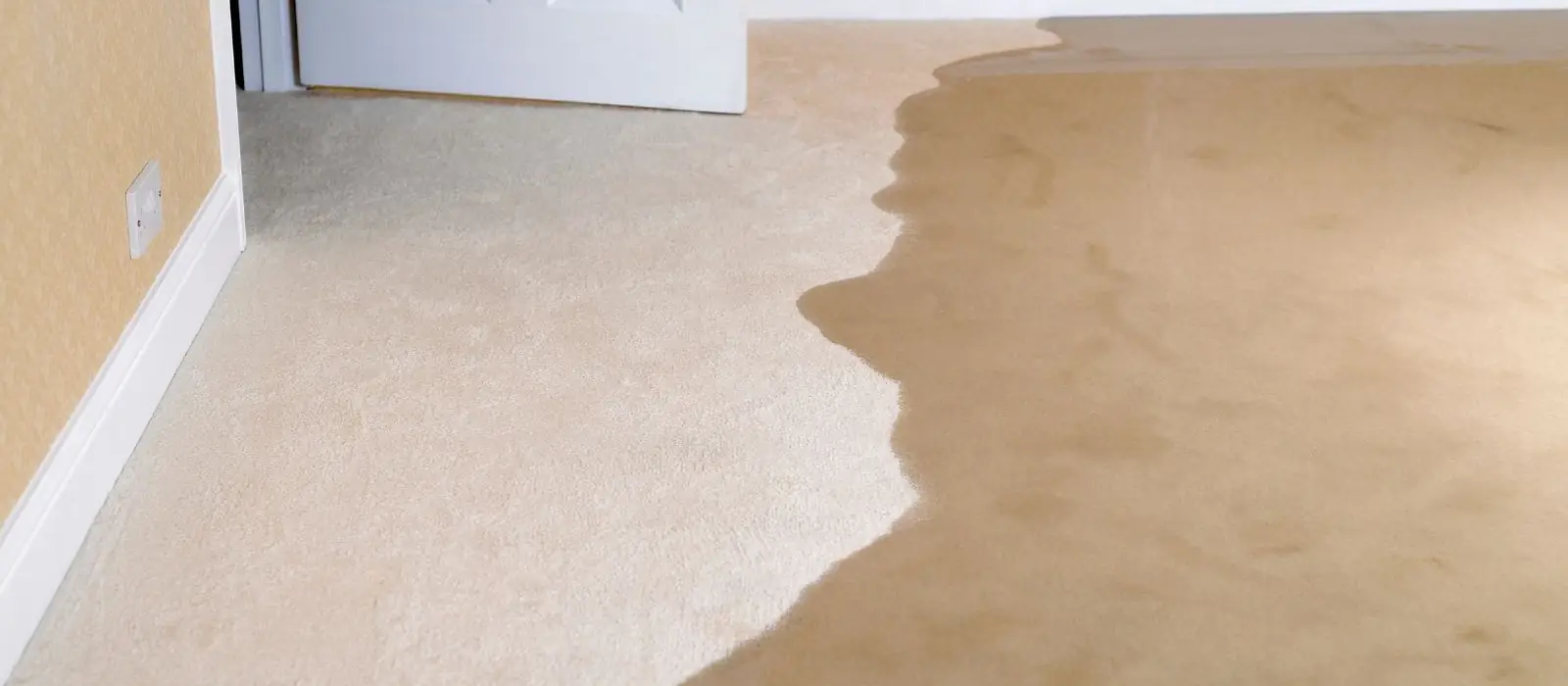
Carpet water damage in a Coppell home starts with a simple question. Is the carpet worth saving, or should it go? The answer depends on where the water came from, how long it sat and what is underneath.
If water is still spreading, call the dispatch line now and read the rest while you wait. The first hours decide whether the carpet and pad can be dried in place or must be removed.
Why wet carpet is a keep-or-replace decision
Carpet has three layers that behave differently. The top fiber and backing can often be cleaned and dried. The pad underneath is a foam sponge that holds water for days. The floor under the pad may be concrete, plywood or subfloor board, and each one dries on its own schedule.
That is why a quick vacuum and a fan rarely finish the job. Surface water is only part of the problem, and the pad is usually the part that does not recover.
Where carpet gets wet in Coppell homes
The Census Bureau American Community Survey 2024 five-year estimate counts 16,028 housing units in Coppell, with a margin of error of 510. Any home with carpet can be hit by the same handful of leaks.
Common sources include a failed washer hose, a water heater leak, an overflowing toilet, a dishwasher line and a slow plumbing joint inside a wall. When the source is a supply line, the water is clean at the start. The City of Coppell reports that its water is purchased from Dallas Water Utilities, which draws from Lake Ray Roberts and Lake Lewisville, so a leak from a supply line begins as treated drinking water.
Clean water becomes a different problem if it sits. Carpet that stays wet picks up dirt and bacteria from the floor, and the category can change from clean to contaminated in a day or two.
What you see on the carpet and what it means
| What you see | What it usually means |
|---|---|
| Squishy feel and a dark wet patch near a wall | Water traveled along the pad from a nearby leak |
| Carpet looks dry but a musty smell lingers | The pad or slab underneath is still wet |
| Brown stain rings or a tea color on the edge | Dirt and tannins wicked up from the pad or subfloor |
| Rippling or loose carpet in the middle of the room | The backing absorbed water and lost its stretch |
| Staining along the baseboard after the leak stopped | Water is trapped at the tack strip and bottom plate |
Safety steps for the first hour on wet carpet
- Shut off the water at the source if you can do so safely, usually the fixture valve or the main shutoff.
- Avoid walking through standing water near outlets, floor lamps or power strips. Turn off power only if the breaker is reachable on dry ground.
- Do not use a household vacuum on wet carpet. It is an electrical hazard and it will not pull water from the pad.
- Pick up small items, shoes and books so they stop wicking moisture or staining.
- Keep children and pets away if the water came from a toilet, drain or sewer.
If the water is gray or black
Water from a toilet, washing machine drain or sewer line is not safe to handle. Leave wet carpet in place, keep people off it and call us. For sewage or creek water, the water damage cleanup page explains how contaminated materials are removed.
Wet carpet and not sure what to do?
Call the 24/7 dispatch line and describe the source and the rooms. The dispatcher will tell you what to move and what to leave alone.
How carpet and pad are sorted: keep or pull
The industry standard, ANSI/IICRC S500, sorts water into three categories. Category 1 comes from a sanitary source such as a supply line. Category 2 carries significant contamination, as from a dishwasher or washer drain. Category 3 is grossly contaminated, as from sewage or river and creek water.
Carpet from Category 1 water that is caught early can often be cleaned and dried in place. Carpet from Category 2 may be cleaned in some cases. Carpet from Category 3 is generally removed, and the EPA notes that porous materials such as carpet may have to be thrown away if they become moldy.
The pad is usually replaced in every case. It holds water, cannot be fully cleaned and is inexpensive compared with the cost of drying and sanitizing it. A good rule is to keep the carpet and replace the pad whenever the carpet can be saved.
Lifting, floating or pulling the carpet
When carpet can be saved, the crew lifts it from the tack strips along one wall and pulls it back. This is called floating the carpet. It lets air movers and a drying mat or air channel push air under the carpet, while a weighted extractor pulls water from the pad.
If the pad will be replaced, the carpet is peeled back farther, the pad is cut and removed, and the floor underneath is cleaned and dried before new pad is placed. If the carpet cannot be saved, it is cut into strips and carried out in sections.
Tack strips are checked as well. They can trap moisture against the baseboard, and wood strips that stay wet may need to be replaced.
Subfloor and slab moisture under the carpet
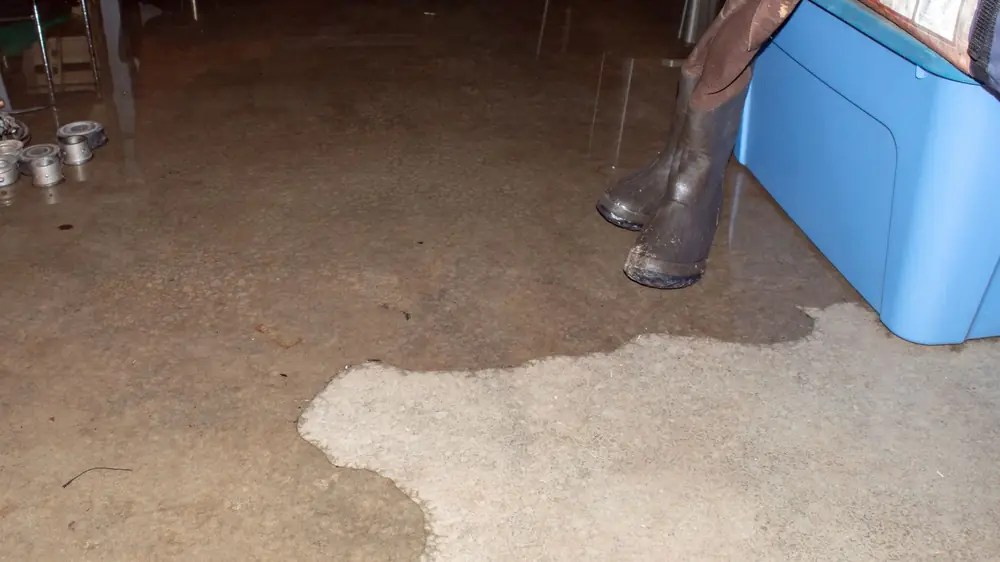
Carpet sits on top of something, either a concrete slab or a wood subfloor, so we check which one you have before choosing equipment. Moisture meters and a thermal imaging camera show where the water traveled, even when the surface looks dry.
A concrete slab can hold water for days and give it back slowly. Wood subfloor may swell or stain if it stays wet. Either way, the floor must reach its dry goal before new pad and carpet go down. The structural drying and dehumidification page explains the readings and equipment behind that step.
Odor and mold timing on wet carpet
The EPA mold guidance sets a one to two day target for drying anything that got wet. Carpet and pad fit that target closely, since they are warm, dark and absorbent. A musty smell after a leak is a warning that moisture is still present.
If dark spots appear on the carpet backing, the baseboard or the wall behind it, stop trying to clean them yourself. The mold remediation page explains how the area is inspected, contained and cleaned.
What changes the scope and cost of carpet restoration
| Factor | Why it matters |
|---|---|
| Water category | Clean water may leave carpet salvageable, while contaminated water usually does not |
| Time since the loss | Older water has soaked deeper into backing and pad |
| Area and number of rooms | More square footage means more extraction and equipment |
| Carpet type and age | Older backing and glued carpet can fail when lifted |
| Floor underneath | Slab, plywood and tile each dry at their own pace |
| Pad and strips replaced | Replacing pad and tack strips adds material and labor |
Scope and price are explained before work starts. Call (817) 623-9267 and describe the rooms and the source, and the dispatcher can tell you what usually decides the plan.
Insurance questions about wet carpet
Many homeowner policies cover sudden and accidental water damage, such as a burst line or an appliance failure, and treat slow seepage differently. Flood water entering from outside is usually a different coverage. If you rent, the renter policy and the landlord policy may cover different things, so ask both.
Take photographs of the wet carpet before it is moved, keep the pad if the adjuster asks to see it and ask for a written account of what was removed and why. A drying log with readings helps if the claim involves the floor under the carpet.
Mistakes and prevention for wet carpet
- Walking on wet carpet, which pushes water deeper into the pad.
- Leaving the pad in place because the top looks dry.
- Running a heater or turning off the air conditioning to hurry drying.
- Replacing the carpet before the floor under it is dry.
- Ignoring a musty smell after a leak is fixed.
Prevention starts at the fixture. Replace aging washer hoses, check under sinks and water heaters, and watch your water use. The City of Coppell MyH2O portal lets customers monitor water use and set leak alerts, which can catch a hidden leak before it reaches the carpet.
If the damage reaches a wall, the wall and drywall repair page covers the rebuild, and we handle the same work in Lewisville and Irving.
Frequently asked questions
Is emergency carpet water damage restoration available in Coppell?
Yes. Wet carpet is handled around the clock, and calls are taken at any hour. Call, describe the source and the rooms, and the dispatcher will explain how to protect the floor in the meantime. Water from a sewer or toilet should be treated as an emergency.
Can wet carpet be saved?
Often it can if the water was clean and the carpet is dried quickly, but the pad is usually replaced. Carpet that sat in contaminated water for a day or longer is often removed.
How long does carpet take to dry?
Many jobs take several days, because the pad and the floor under it dry slower than the top. The crew reads the carpet, pad and floor each day and removes equipment when readings reach the dry goal.
Will a wet carpet grow mold?
It can. Mold may begin when moisture lingers, and the EPA recommends drying water-damaged materials within 24 to 48 hours. Dry quickly, watch for odors and call for an inspection if you see dark spots.
Should I replace the carpet and pad together?
Not always. If the carpet is clean and dries well, it may go back with new pad. If the carpet is stained, delaminating or smells after drying, replacing both may be the better choice.