
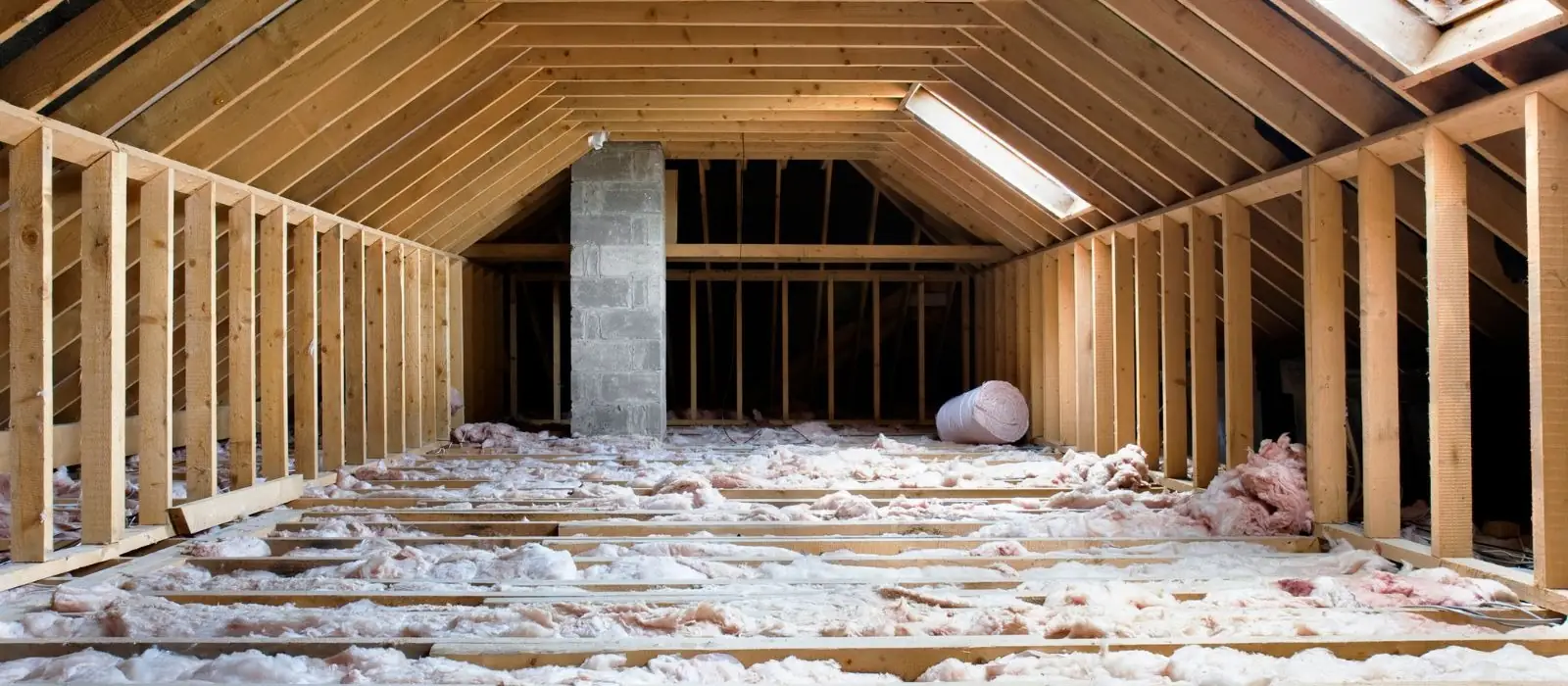
A roof leak starts small and travels far. Rain gets past a cracked shingle, a lifted flashing edge or a loose vent boot, runs along the roof deck, and soaks into attic insulation. The ceiling below is the last place it shows.
If water is coming through a ceiling right now, call (817) 623-9267. The dispatcher will explain what to protect first and what the crew will dry once the rain stops.
How water finds its way through a Coppell roof
Most Coppell houses have composition shingle roofs over a plywood deck, with an attic between the deck and the ceiling. Water that gets through the shingles meets felt underlayment first. If that layer is torn or old, the deck takes the water next.
Leaks tend to start at the places where the roof changes shape. Valleys, chimney flashing, plumbing vent boots, skylight curbs and the edge where a porch roof meets a wall are the usual weak points. Nail pops and cracked shingles after a hail season let in smaller amounts that go unnoticed for months.
The National Weather Service in Fort Worth records the hail that shapes this problem. Its summary of the April 11, 2016 supercell says the storm produced a record 5.25 inch hailstone for the Fort Worth forecast area. The same page says 80 percent of homes in Wylie were affected.
The Fort Worth office also documents the June 13, 2012 hail event, which named Dallas County among the places hit. It reports baseball, orange and softball sized hail and says numerous cars and houses were severely damaged. Hail can bruise shingles in ways that only show up as leaks later.
Reading the stain: what you see and what it means
| What you see | What it usually means | What the crew checks |
|---|---|---|
| Brown ring that grows after each rain | Water is reaching the ceiling drywall from the attic side | Insulation and framing above the ring |
| Stain along an exterior wall near the ceiling | Water is running down the wall cavity from a flashing or eave leak | The top plate and the wall insulation |
| Bubbled paint or a sagging patch | The drywall is holding water | The back of the ceiling from the attic |
| Drip from a ceiling light or fan | Water has followed wiring into the fixture box | The wiring path and the fixture box |
| Musty odor in a closet or upstairs room | Damp insulation or framing is holding moisture | The attic floor over that room |
| Water around a skylight shaft | The curb flashing or the glass seal has failed | The shaft walls and the ceiling around it |
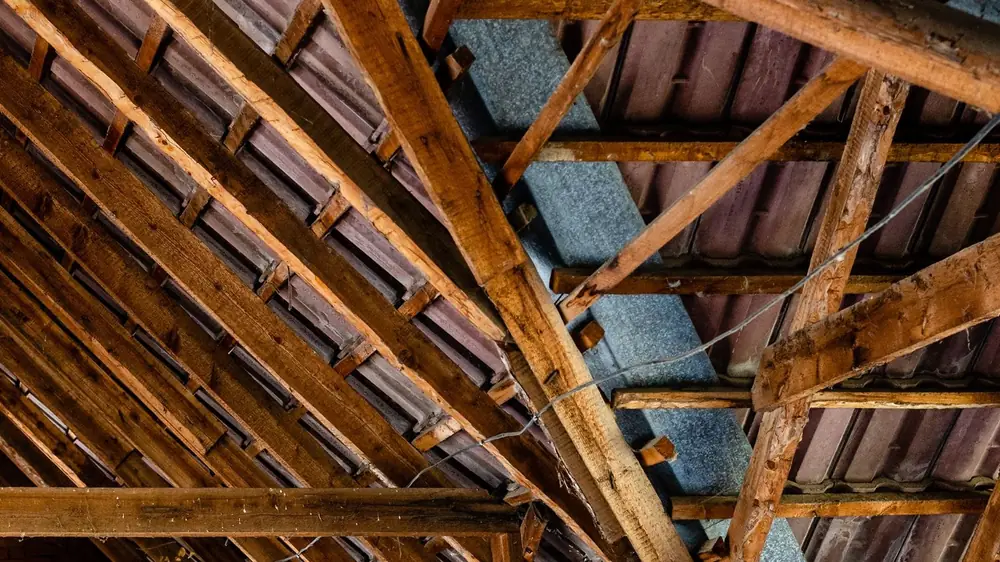
The stain is rarely above the hole. Water travels along rafters and decking before it drops, so the leak can be several feet from the stain. This is why the wet area is usually larger than it looks.
Roof leak safety steps for the first hour
Stay off the roof. A wet roof is slippery, and wind and lightning make a repair attempt dangerous. Work from inside the house, and leave the roof work to a roofer.
Move furniture, rugs and electronics out from under the drip. Set a bucket or a tub where water is falling, and lay a plastic sheet over what you cannot move.
Water near lights, fans or outlets
If water is coming through a ceiling fixture, leave that light off and keep away from it. Switch off the circuit at the panel only if the panel is dry and you can reach it safely. Call an electrician if a fixture buzzes, flickers or smells hot.
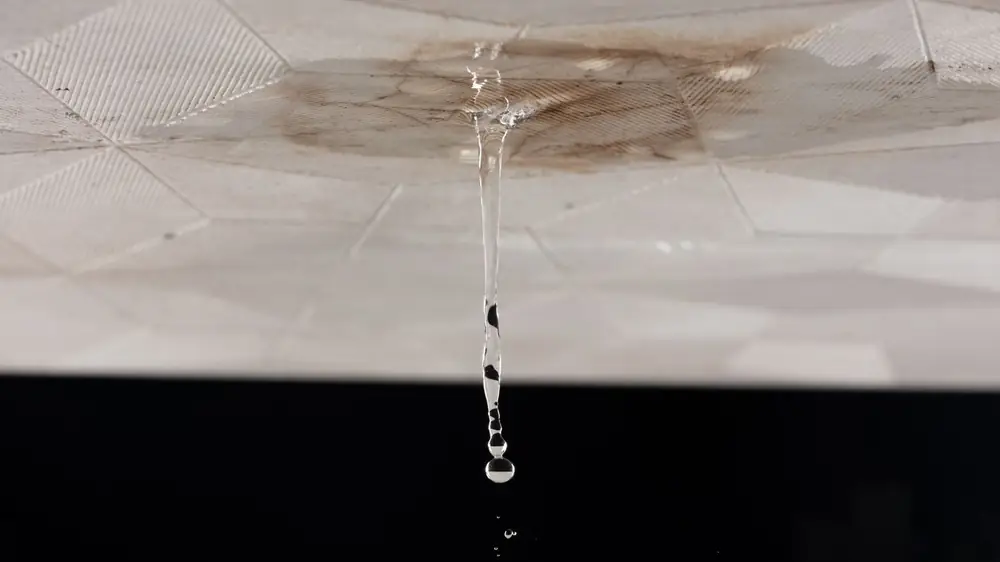
If a ceiling is bulging with water, poke a small hole in the lowest point of the bulge with a bucket underneath. This lets the water out in a controlled stream instead of letting the whole panel fail. Take photos and video first, because the Texas Department of Insurance advises documenting damage and keeping receipts for temporary repairs.
Water coming through the ceiling?
Describe where it is dripping and whether the rain has stopped. The dispatcher will tell you what to protect and what we will dry.
Sequence matters: roofer first, then drying
A roofer repairs or tarps the roof. We do not repair roofs. The drying crew works on what the water already reached. Both jobs matter, and the order is simple: stop new water first, then dry what is wet.
If the roof is open, the Texas Department of Insurance says to make temporary repairs to keep out more rain and to cover holes. A tarp from your roofer counts. Drying a ceiling under an open roof only wastes effort, because every new rain wets it again.
Once the roof is tarped or repaired, the crew starts. If rain is still falling, we can often begin by removing the worst wet insulation and setting equipment, then finish once the weather clears.
How we dry the attic, ceiling and walls
The crew begins with moisture meters and a thermal imaging camera. The camera shows cool, wet areas on the ceiling and walls, and the meter confirms how wet each material is. In the attic, the crew checks insulation, rafters and the underside of the deck.
Wet blown insulation is usually removed, because it packs down and holds water. The Environmental Protection Agency notes that absorbent materials such as ceiling tiles may have to be thrown away once they turn moldy. Saturated drywall is cut back to a dry edge, kept as small as possible.
Air movers and LGR dehumidifiers then dry the framing and the room air. A HEPA air scrubber can run in the attic or the room when dust is stirred up. Drying follows the ANSI/IICRC S500 standard, and readings are logged until the materials reach their dry goal.
Rebuilding comes after drying. Patching, texture and paint are handled under water damage repair. The full drying method is explained on the structural drying and dehumidification page.
What changes the scope and cost of a roof leak job
| Factor | Why it matters |
|---|---|
| How long it has leaked | A repeated slow leak soaks insulation and framing, while one storm may only wet a section |
| Insulation type and depth | Deep blown insulation holds more water and takes more time to remove |
| Ceiling finish | Textured ceilings take more work to patch than flat ones |
| Attic access | A tight hatch or low clearance slows the crew |
| Number of rooms | Water that traveled along a rafter can reach more than one room |
| Weather during repairs | New rain on an open roof can restart the job |
The scope and price are explained before work starts. Roof repair and replacement costs belong to the roofer. Describe the leak to the dispatcher at (817) 623-9267 and you will hear what usually follows.
Insurance, hail and roof leak claims
The Texas Department of Insurance says to file a claim as soon as you can after hail or strong wind damages a home. It also says to save all receipts, keep a list of everyone you talk to at the insurance company and be available for the adjuster visit.
The department advises getting more than one bid, not paying in full up front and never signing a contract with blank spaces. It also says contractors may not offer to waive your deductible, and that offering to do so is illegal under state law.
Whether a leak is covered depends on your policy and the cause. Sudden storm damage is treated differently from a worn roof that has leaked for years. Do not make permanent repairs before the adjuster sees the damage.
Mistakes that make roof leaks worse
- Climbing onto a wet roof to patch it yourself.
- Painting over a ceiling stain before the framing above is dry.
- Leaving wet insulation in place because the ceiling looks fine.
- Throwing away damaged materials before photos are taken.
- Signing with a door to door roofer who offers to cover your deductible.
- Ignoring a small stain because it only shows after heavy rain.
On permits, the City of Coppell lists a Roof permit among its residential permit types and asks homeowners to contact Building Inspections for roofing requirements. Ask your roofer to confirm what applies to your address before work starts.
We dispatch to neighboring cities as well, including water damage restoration in Grapevine and water damage restoration in Lewisville. For leaks that started in a bathroom or kitchen instead of the roof, see water damage cleanup.
Frequently asked questions
Is emergency roof leak water damage cleanup available in Coppell?
Yes. Calls are taken at any hour, and storm days are the busiest. Call (817) 623-9267, describe where water is coming in and the dispatcher will explain the next steps.
Who fixes the roof and who dries the attic?
Your roofer repairs or tarps the roof. We dry the insulation, ceiling, walls and framing the water reached. The roof should be sealed first, or the next rain wets the same areas again.
Why did the stain show up days after the storm?
Water soaks into insulation and framing before it reaches the ceiling drywall. The stain is the end of the path, so the leak may have started earlier and farther away.
Can I leave the attic insulation to dry on its own?
Not safely. Wet insulation stays damp for a long time and can feed mold. A moisture meter reading shows whether the material is dry, and the crew removes what cannot be dried.
Should I call the insurance company or the roofer first?
Call both soon. Tell your insurer about the damage, take photos, and have the roofer make temporary repairs so no more water gets in. Keep every receipt.