
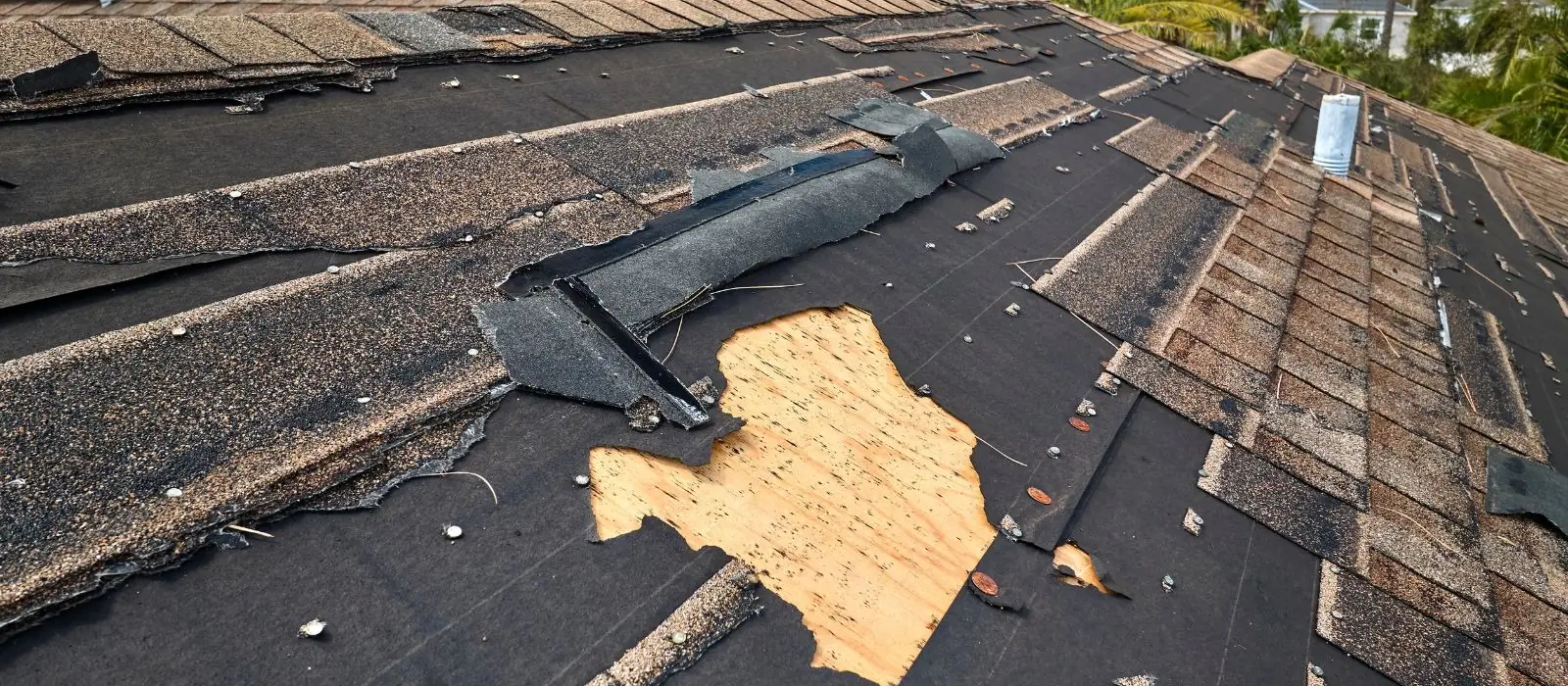
Storm damage is different from a pipe break. Wind, hail and fallen limbs open the house to the weather, and rain then enters in many places at the same time. A window, a roof edge, a garage door and a chimney can all leak on the same night.
If your home took water in a storm, call (817) 623-9267. The dispatcher will ask which rooms are wet and help you decide what to protect first.
What North Texas storms do to a house
The National Weather Service in Fort Worth documents how varied the damage can be. Its summary of the April 3, 2014 outbreak reports 4.25 inch hail in Denton, an 82 mph gust at Denton Municipal Airport and roof damage with lost shingles and decking in Princeton.
The same office lists the December 26, 2015 outbreak as 12 confirmed tornadoes across 8 counties. The only Dallas County tornado named on that page is the Sunnyvale, Garland and Rowlett EF-4. Coppell is not named there, but the event shows how quickly a line of storms can cross the county.
Storm water usually enters a house by four paths. Rain driven sideways past window and door seals is one. Hail or limbs that break glass, skylights or roof tiles come next. Damaged flashing and shingles let rain into the attic. Power failures stop sump pumps and leave water sitting where it landed.
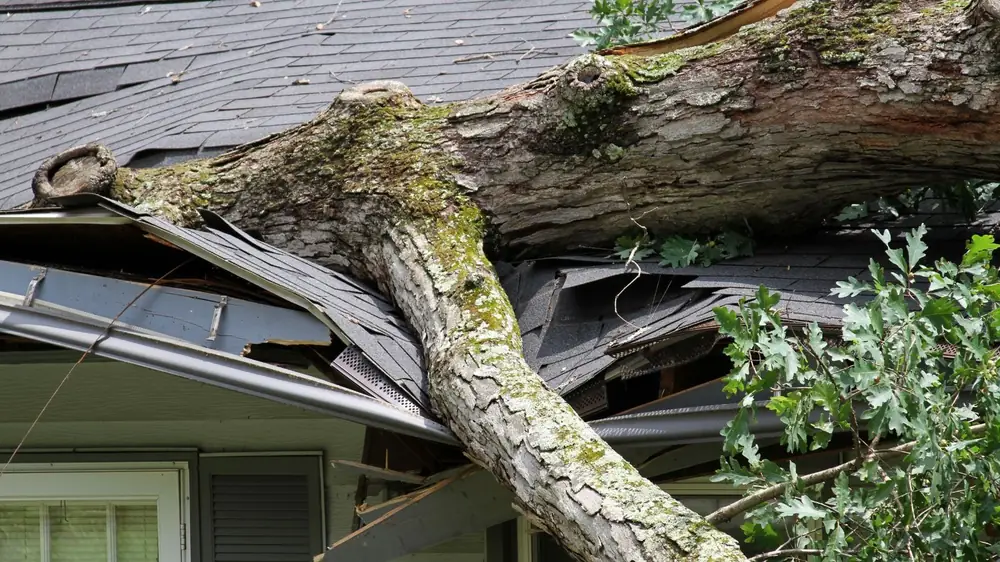
Wind-driven rain is not rising flood water
This difference decides how the cleanup goes and how insurance reads the loss. Wind-driven rain comes through openings in the house. Flood water comes up from the ground, from a creek or from runoff that has no place to go.
FEMA describes a flood as an excess of water on land that is normally dry. Water that enters a broken window is not that. Water that crosses the yard and comes in at the door sill is. If creek or runoff water is in your home, see flood damage restoration.
| Wind-driven rain and storm openings | Rising flood water | |
|---|---|---|
| How it enters | Windows, doors, roof, attic, broken glass | Over the ground and through the lower walls |
| Where it shows | Upper floors, near openings, ceilings | The lowest rooms first |
| Water type | Mostly clean rain, can pick up dirt | Often contaminated with soil and sewage |
| Usual first call | Your insurer and a roofer or glazier | Your flood policy and the city |
| Drying approach | Targeted drying of the wet rooms | Extraction, removal and disinfecting |
Storm safety: the first hour
Wait until the storm has passed before going outside. Look for downed lines before you walk the yard, and stay away from anything that touches a wire. Call the electric utility about lines, and call 911 for any injury or fire.
Water, power and gas
If water is on the floor near outlets, appliances or the panel, do not step in it. Turn off power at the main only if the panel is dry and you can reach it without standing in water. If you smell gas, leave the house and call the gas utility from outside.
The Texas Department of Insurance advises making temporary repairs to prevent more damage, such as covering broken windows and holes to keep rain out. It also says to take pictures and video and not to throw anything away until the adjuster tells you.
Several rooms wet after the storm?
Tell the dispatcher how many rooms are wet and where the water came in. We will set priorities and plan the crew.
Drying priorities when many rooms are wet
A storm often wets more rooms than one crew visit can finish. The priorities are simple. Protect rooms that are still dry, extract standing water, then dry the materials that hold the most water.
- Water on floors and standing water goes first, using extraction units.
- Soaked carpet pad and wet insulation come out because they hold water the longest.
- Ceilings that are sagging are opened in a small area to release trapped water.
- Walls and floors are mapped with moisture meters and a thermal imaging camera.
- Air movers and LGR dehumidifiers go in room by room, with readings logged each visit.
If power is out, the crew can bring generators and equipment that does not depend on your electrical service. Drying follows the ANSI/IICRC S500 standard. For the complete method, see structural drying and dehumidification.
Documenting the loss for the adjuster
Photographs matter more after a storm than after a pipe break, because the damage is spread out. Photograph every room before anything moves, then photograph the source of each opening: the broken window, the torn roof edge, the fallen limb.
Our crew records moisture readings and equipment placement at each visit, and those logs can be shared with your adjuster. Keep receipts for tarps, board up work and hotel nights too. The Texas Department of Insurance says to save all receipts for repairs and living expenses.
Insurance and storm claims: homeowners versus flood
FEMA states that most homeowners insurance does not cover flood damage. Wind and hail damage, and the rain that enters through the opening they create, is usually handled under the homeowners policy. Rising water from the ground is handled by a separate flood policy.
The Texas Department of Insurance advises filing a claim as soon as you can after hail or strong wind. It also says to make no permanent repairs before the adjuster sees the damage, to get more than one bid and not to hire anyone who offers to waive your deductible.
What changes the scope and cost of storm cleanup
| Factor | Why it matters |
|---|---|
| Number of wet rooms | Each room needs mapping, equipment and monitoring |
| Opening still unsealed | New rain restarts the drying and may require another visit |
| Water in the attic | Insulation and ceilings add removal and drying |
| Contaminated water | Flood water or sewage raises the scope sharply |
| Power status | Generators and added setup can change the plan |
The scope and price are explained before work starts. A glazier, roofer or tree service handles the openings and limbs. We dry the house and explain what has to be rebuilt.
Mistakes to avoid after a storm
- Going onto a wet or damaged roof.
- Waiting for the adjuster before any drying starts, when temporary protection is allowed.
- Hiring a door to door contractor who arrives right after the storm.
- Throwing away damaged items before photographing them.
- Running a generator inside the house or garage.
We dispatch across the surrounding area, including water damage restoration in Carrollton and water damage restoration in Irving. If water came in mainly through the roof, see roof leak water damage cleanup.
Frequently asked questions
Is emergency storm water damage cleanup available in Coppell?
Yes. The line is open during and after storms, at any hour. Call (817) 623-9267 and the dispatcher will ask where water entered and which rooms are wet.
Is storm damage the same as flood damage?
No. Rain coming through a broken window or roof is storm damage. Water rising from a creek or runoff is flood damage. The cleanup and the insurance differ, so tell your agent how the water entered.
Can you start before the adjuster comes?
Yes, protective drying and photos are usually reasonable first steps. Keep damaged materials and document everything, and ask your insurer about anything you plan to remove.
What if the power is out?
We can bring equipment that runs on generator power. Do not run a generator inside the house or garage. Keep it outside and away from windows.
Who deals with the fallen tree?
A tree service removes the limbs and a roofer or glazier seals the opening. We dry what the rain reached once the opening is closed.