
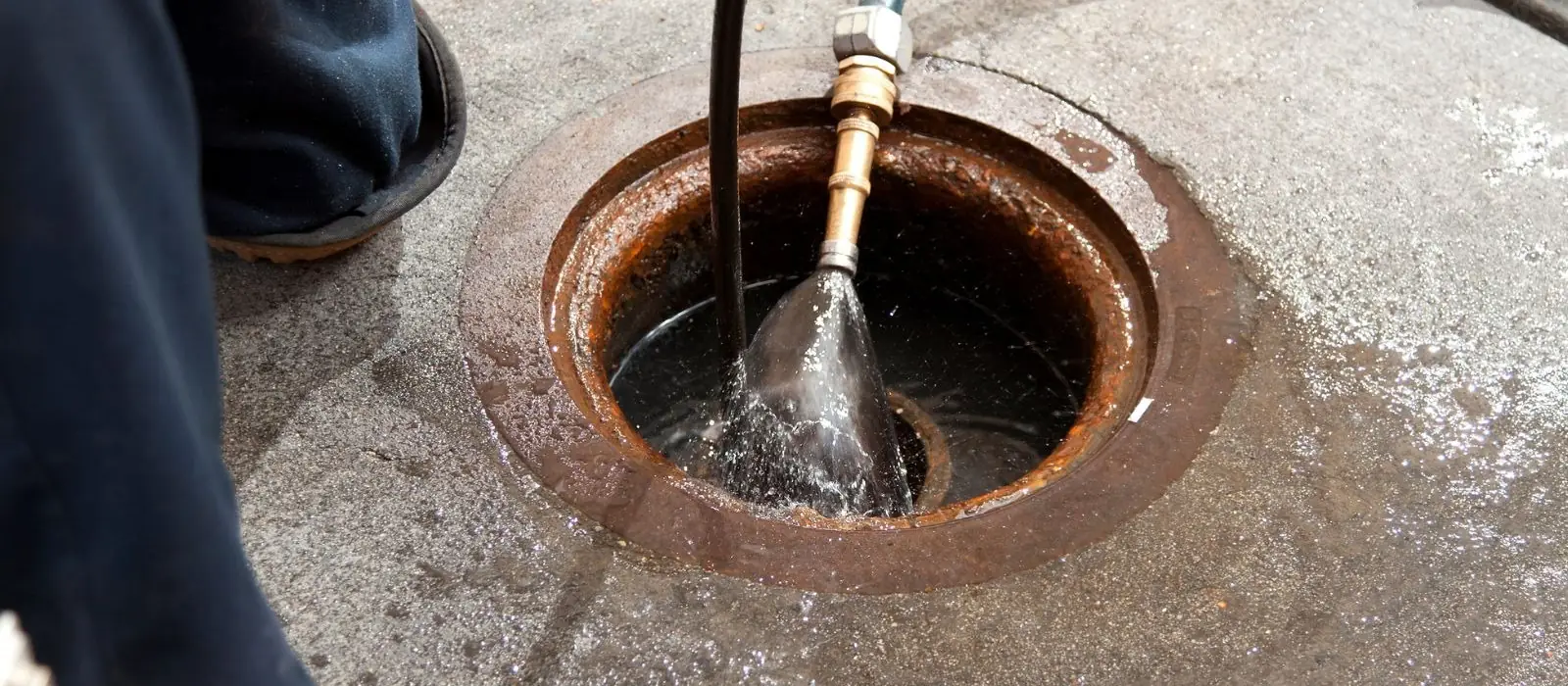
A sewage backup is wastewater that comes up through a floor drain, toilet, tub or shower instead of going out to the sewer. It is not like a clean supply leak. The water carries bacteria and other contaminants, so the cleanup is built around containment and disinfecting, not just drying.
If sewage is in the house now, call (817) 623-9267. Keep people and pets out of the room until the crew tells you it is safe.
How sewage backs up into a Coppell home
Most backups start with a blockage in the line that carries waste away from the house. The City of Coppell says grease is one of the most common causes of sewer overflows, and that tree roots growing into a sewer line can also block it. Sluggish drains and gurgling toilets often come first.
When the line stops, wastewater looks for the lowest opening. That is usually a floor drain, a shower drain or the lowest toilet in the house. Flushed wipes, which do not break down the way toilet paper does, also catch in lines and build blockages.
The City of Coppell describes two cleanouts. The city cleanout is usually near the sidewalk in front of the house, and a residential cleanout is usually near the house, sometimes by a flower bed. Knowing where both are helps when you talk to the city and a plumber about where the blockage sits.
If you see an overflow near the property line coming from a cleanout, report it to the city. The city's sewer problems page tells residents to call its Utility Operations Division, and an on-call technician is available after hours.
What you see and what it means
| What you see | What it usually means | Treat it as |
|---|---|---|
| Toilet, tub and floor drain all back up together | The main line is blocked | Sewage, stay out and call |
| Gurgling drains or slow drains in several rooms | A blockage is building in the line | Early warning, stop using water |
| Sewer smell near a floor drain | The trap water may have dried out | Often a trap issue, but check the floor |
| Brown or gray water on a lower floor | Wastewater has come up through a drain | Sewage, contaminated |
| Water at the cleanout outside | The line is full or blocked | Call the city, then a plumber |
A dry trap is the common innocent cause of an odor. The City of Coppell notes that sewer gas can enter a building when the water in a trap evaporates, which is often the case in a floor drain that rarely gets used. If the smell comes with water on the floor, treat it as a backup.
Safety steps before the crew arrives
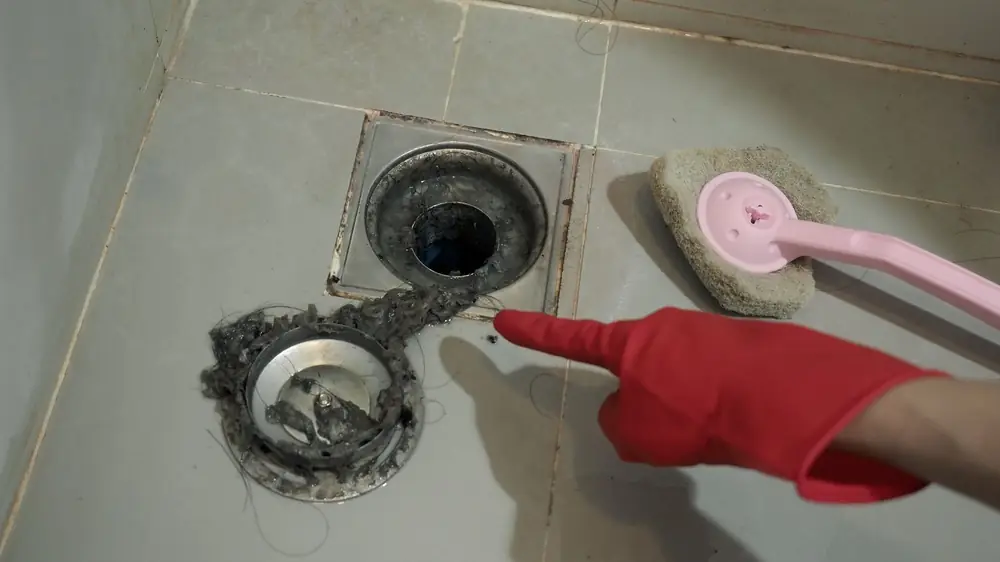
Stay out of the water and keep children and pets away. Do not wade through it, and do not touch it with bare skin. Stop using sinks, tubs, toilets, the washing machine and the dishwasher, because every drop you add goes to the same blocked line.
Do not clean this yourself
The EPA advises calling in a professional when water damage is caused by sewage or other contaminated water. Do not use a household vacuum on it, and do not mix cleaners, which can create harmful fumes. Open a window if the smell is strong, and leave the room if you feel sick.
If water has reached outlets or the panel, stay clear and call 911 or your electric provider. Photograph the damage from the doorway and write down which fixtures backed up. Then call the dispatch line.
Sewage in the house?
Keep out of the water and call the 24/7 line. The dispatcher will explain what to do until the crew arrives.
How we contain, extract and disinfect
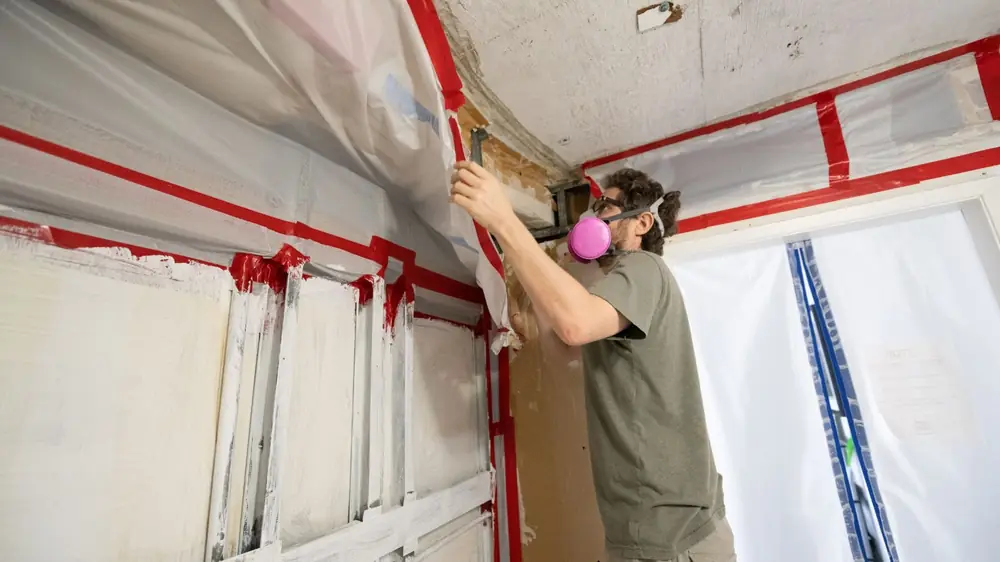
Under the industry's ANSI/IICRC S500 standard, sewage is Category 3 water, the most contaminated class. That classification drives the process. The crew wears protective gear and seals off the area with plastic barriers so contamination does not travel to clean rooms.
Standing sewage is extracted with pumps or extraction units, and it is disposed of as contaminated water. Porous materials that soaked it up, such as carpet, pad, drywall and insulation, are removed and bagged because they cannot be made safe.
Hard surfaces and framing are cleaned and treated with disinfecting products suited to the material. Air movers and LGR dehumidifiers dry what remains, and HEPA air scrubbers clean the air while work is under way. Moisture readings confirm the structure is dry before anyone rebuilds.
The plumber or the city clears the blockage. Restoration does not replace that repair, and cleaning a floor while the line is still blocked will not hold. After cleanup, any removed finishes are rebuilt under water damage repair.
What changes the scope and cost of sewage cleanup
| Factor | Why it matters |
|---|---|
| Depth and spread | More square footage means more containment, extraction and drying |
| Porous materials | Carpet, pad, drywall and insulation must be removed, not dried |
| Time since the backup | Contamination soaks deeper the longer it sits |
| Floor level and access | Basements, stairs and tight rooms add handling time |
| Disposal | Contaminated materials are bagged and removed under contained handling |
We do not quote a sewage job without knowing what got wet. Call (817) 623-9267, and scope and price are explained before work starts.
Insurance and sewage claims
Sewage backup coverage varies, and many standard policies treat it differently from a burst pipe. The Texas Department of Insurance says most home policies cover sudden and accidental water damage but not flood, which would need a separate flood policy. Whether sewer backup is covered at all is a question for your policy.
Ask your agent whether your policy includes water backup coverage before you assume either way. Keep photos, notes about which fixtures backed up and any plumber or city report. Your policy decides coverage, not us.
Mistakes to avoid and ways to prevent the next backup
- Do not pour grease down a drain. The City of Coppell says to scrape cookware into the trash and to use sink strainers.
- Do not use chemicals that claim to dissolve grease, since the city warns they can move the grease further down the line.
- Do not flush wipes, even ones sold as flushable.
- Do not keep running water after a backup starts.
- Do not clean sewage by hand or with a household vacuum.
- Do not ignore slow drains in several rooms, because a main line blockage is likely.
The City of Coppell also lists grease disposal sites for residents, which gives you a place to take used cooking oil instead of the sink.
If the water came from a creek or storm drain rather than a sewer line, see flood damage restoration. For the drying phase after cleanup, read about structural drying and dehumidification.
We serve neighboring towns on the same line, including water damage restoration in Irving and water damage restoration in Lewisville.
Frequently asked questions
Is emergency sewage backup cleanup available in Coppell?
Yes. A backup is an emergency at any hour, so the line is answered day and night. Call, say which fixtures backed up, and keep everyone out of the water until the crew arrives.
Who clears the blockage, you or the city?
Neither of us replaces the plumber or the city crew. If the blockage is in the city line, report it to the city. If it is in your own line, a plumber clears it. We handle the cleanup of what the backup left in the house.
Can carpet be saved after sewage backup?
Usually not. Carpet and pad soak up contaminated water and cannot be made safe, so they are removed and replaced. Hard surfaces can often be cleaned and disinfected.
Is sewer odor always a backup?
No. A dry floor drain trap can let sewer gas into the house. Pour water into a rarely used drain to refill the trap. If water is on the floor or fixtures are backing up, it is a backup.
Can I use the bathroom while I wait?
No. Every flush or drained sink adds water to a blocked line and can push more sewage out. Stop using fixtures until the blockage is cleared.