
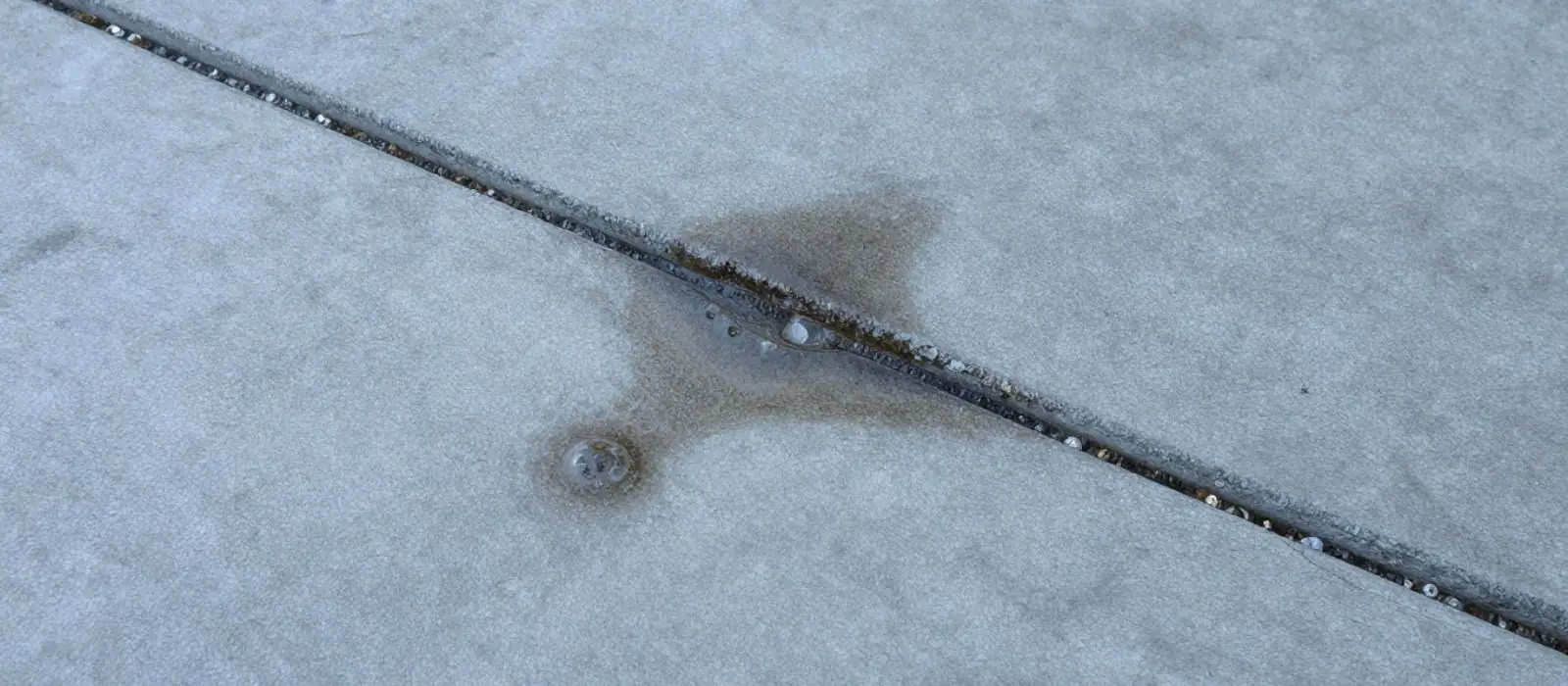
A slab leak is a leak from a water line that runs in or under the concrete floor of a house. You cannot see it, so the first signs are usually a bill, a sound or a spot on the floor.
If water is coming up through the floor now, call (817) 623-9267 and close the main water valve. A plumber has to find the pipe. We handle the water it released.
How common slab leaks are around Coppell
We want to be plain about this. We have not found a published count of slab leaks or of slab foundations in Coppell, so we do not give a percentage. The first step is to learn what your house is built on. Your inspection report or builder plans will say whether it is a concrete slab or a raised floor on piers.
If your house is on a slab, the risk is real but not constant. The more common causes of water in a Coppell home are supply line failures, appliances and roofs. Those are covered on the burst pipe and appliance leak pages.
Clay soil and the pipes under a floor
The USDA Natural Resources Conservation Service says that shrinking and swelling of expansive soils commonly results in serious cracking of homes and other structures. The Dallas County Soil Survey names clay soils such as Houston Black and Ferris among those likely to swell and shrink enough to damage foundations.
That survey also says that in soils with high shrink-swell potential, stress from volume changes can break cast-iron pipe. The survey does not map your lot. A plumber or a soil map will tell you what is under your house.
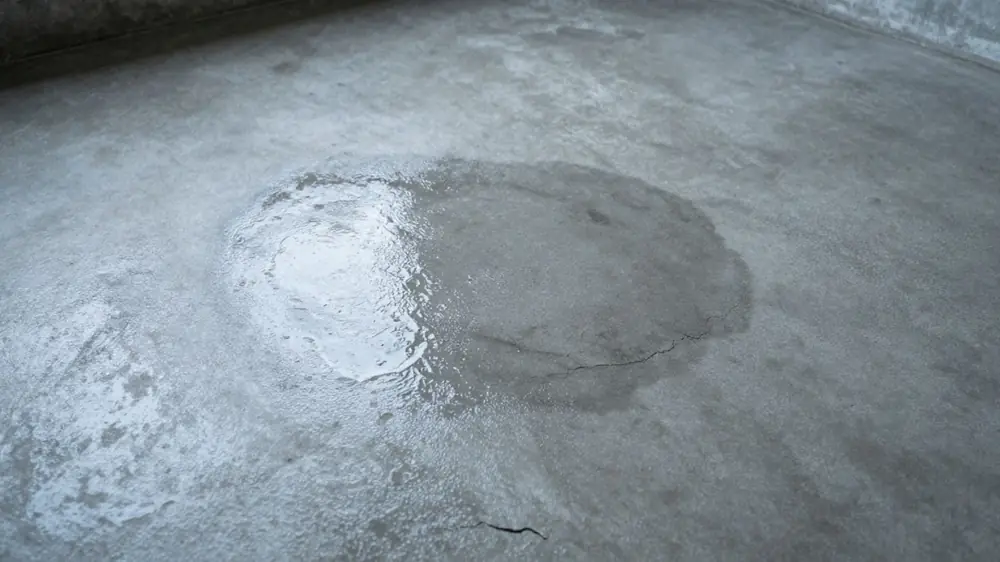
What you notice and what it may mean
| What you notice | What it may mean | First step |
|---|---|---|
| Warm or hot spot on the floor | A hot water line leaking under the slab | Shut off the water heater and call a plumber |
| Water meter moves with every tap closed | A leak somewhere after the meter | Check the meter and call a plumber |
| Sudden rise in the water bill | Water is escaping out of sight | Compare recent bills and test the meter |
| Damp carpet edges or baseboards | Water coming up through the slab or wall base | Call us to map moisture |
| Sound of running water with nothing on | A pressurized line leaking | Close the main valve and listen again |
| Cracks, musty smell or lifted flooring | Long-term moisture under the finish | Moisture testing before repair |
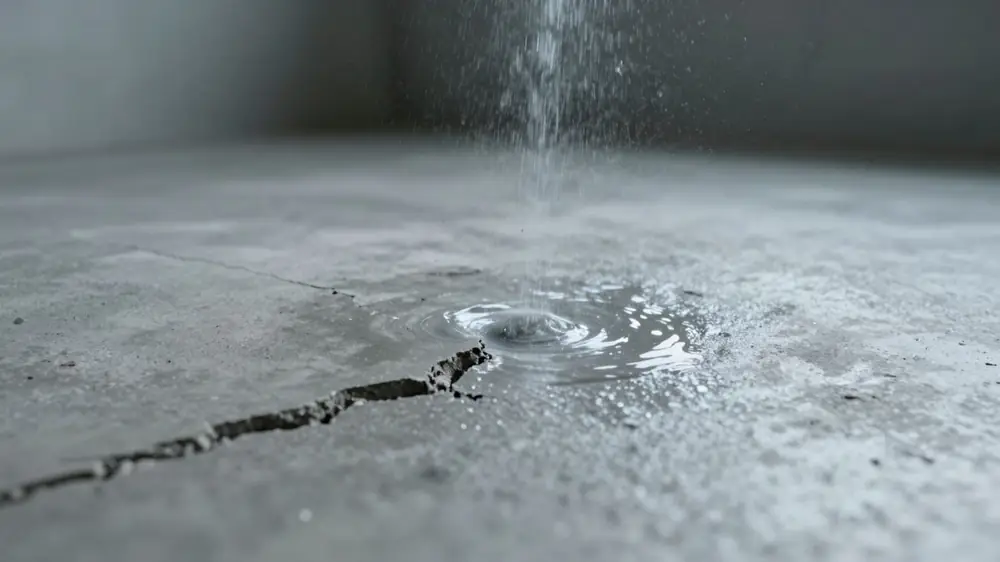
First-hour safety steps for a slab leak
- Close the main water valve. The City of Coppell explains how to open the meter lid and turn off the supply, and Coppell Public Works takes emergency water and sewer leak calls at 972-462-5150.
- Turn off the water heater power or gas if the floor is warm or the hot line may be leaking.
- Stay off wet floors near outlets. Turn off breakers for wet areas from a dry spot.
- If you smell gas, leave and call 911 and Atmos Energy at 866-322-8667. The city lists both for gas leaks.
- Lift small furniture and rugs off wet flooring and open cabinet doors on wet walls.
- Call a plumber for leak detection and repair.
- Call our dispatch line about the floor and walls.
Warm floors and hot lines
A hot water slab leak can warm the floor and release steam. Do not stand on a hot, wet spot. Keep children and pets away until the plumber has shut off the heater supply.
Water coming up through the floor?
Close the main valve, then call the dispatch line. Tell the dispatcher which rooms have wet flooring.
How we dry floors and walls after a slab leak
We do not detect or repair the pipe. A plumber uses leak detection tools, then opens the floor or reroutes the line. Once the water is stopped, we begin.
We extract standing water and pull wet carpet, pad or flooring that cannot dry in place. A moisture meter checks the slab surface, baseboards and lower drywall, and a thermal imaging camera shows where moisture climbed into walls.
Concrete holds water and dries slowly. We use LGR dehumidifiers and air movers and track readings over several days. Where flooring sits over a damp slab, we dry before anything new goes down. The industry standard is ANSI/IICRC S500.
Drying a heavy slab can take longer than drying a wall. Our structural drying page explains how we measure it, and the carpet water damage page covers pad and carpet decisions.
Scope and cost factors for slab leak damage
| Factor | Why it matters |
|---|---|
| How long it leaked | A leak found early is small. One that ran for weeks reaches walls and subfloor. |
| Hot or cold line | Hot leaks add heat and humidity. |
| Flooring over the slab | Tile, wood, laminate and carpet dry differently. |
| Slab access | Plumbers may open the floor, which adds dust control and drying. |
| Wall contact | Wet baseboards and lower drywall may need cutting. |
| Mold signs | A musty smell may mean extra containment and air scrubbing. |
Insurance and slab leak claims
Coverage turns on whether the loss was sudden. Many policies cover water damage from a sudden and accidental pipe break, but not long, slow seepage. Some policies treat the cost to reach the pipe under the slab differently from the damage to the house.
Read the water damage section of your policy. Ask your agent how access to the pipe is handled. Keep the plumber's leak report, photographs, water bills and our readings.
Prevent more damage and avoid these mistakes
- Check the water meter when everyone is out. A moving dial means a leak.
- Look at bills for sudden jumps.
- Do not ignore warm spots on a floor.
- Do not lay new flooring over a damp slab.
- Do not delay the plumber because the leak looks small.
- Water the soil evenly around the foundation in a dry spell, as Texas A&M AgriLife guidance suggests, and keep downspouts draining away from the house.
Nearby towns and where to go next
Slab leaks are found in houses all over the area. The same dispatch line serves Carrollton and Grapevine.
Slab leak questions
Is emergency slab leak water damage cleanup available in Coppell?
Yes. Call at any hour, because a leak under a floor keeps running while you wait. Call (817) 623-9267, close the main valve and describe what is wet. We do not promise an arrival time.
Do you find and fix the leak?
No. A plumber does leak detection and repair. We extract water and dry the floors and walls afterward.
How do I know if I have a slab leak?
Common signs are a warm floor spot, a water meter that moves with everything off, a bill that jumps, and damp carpet edges. A plumber can confirm.
Is a slab leak flooding?
Not in an insurance sense. Flooding means surface water from outside. A broken pipe is a plumbing loss, and policies treat them differently.
Will I need new flooring?
Carpet and pad often do. Tile may dry in place. Moisture readings decide.